

Most businesses understand the importance of content.
They publish blogs.
They create service pages.
They invest in SEO.
They add new content every month.
Yet something unexpected happens.
Traffic grows slowly.
Rankings remain inconsistent.
Authority never seems to compound.
The business begins asking:
“Why is all this content not producing stronger results?”
The answer is often surprisingly simple.
The content exists.
The connections do not.
At BRAND 360s, one of the most common SEO issues we encounter is not poor content quality.
It is poor content connectivity.
Businesses create valuable pages.
Then leave them isolated.
Search engines struggle to understand how those pages relate to one another.
Authority becomes fragmented.
Growth becomes slower than necessary.
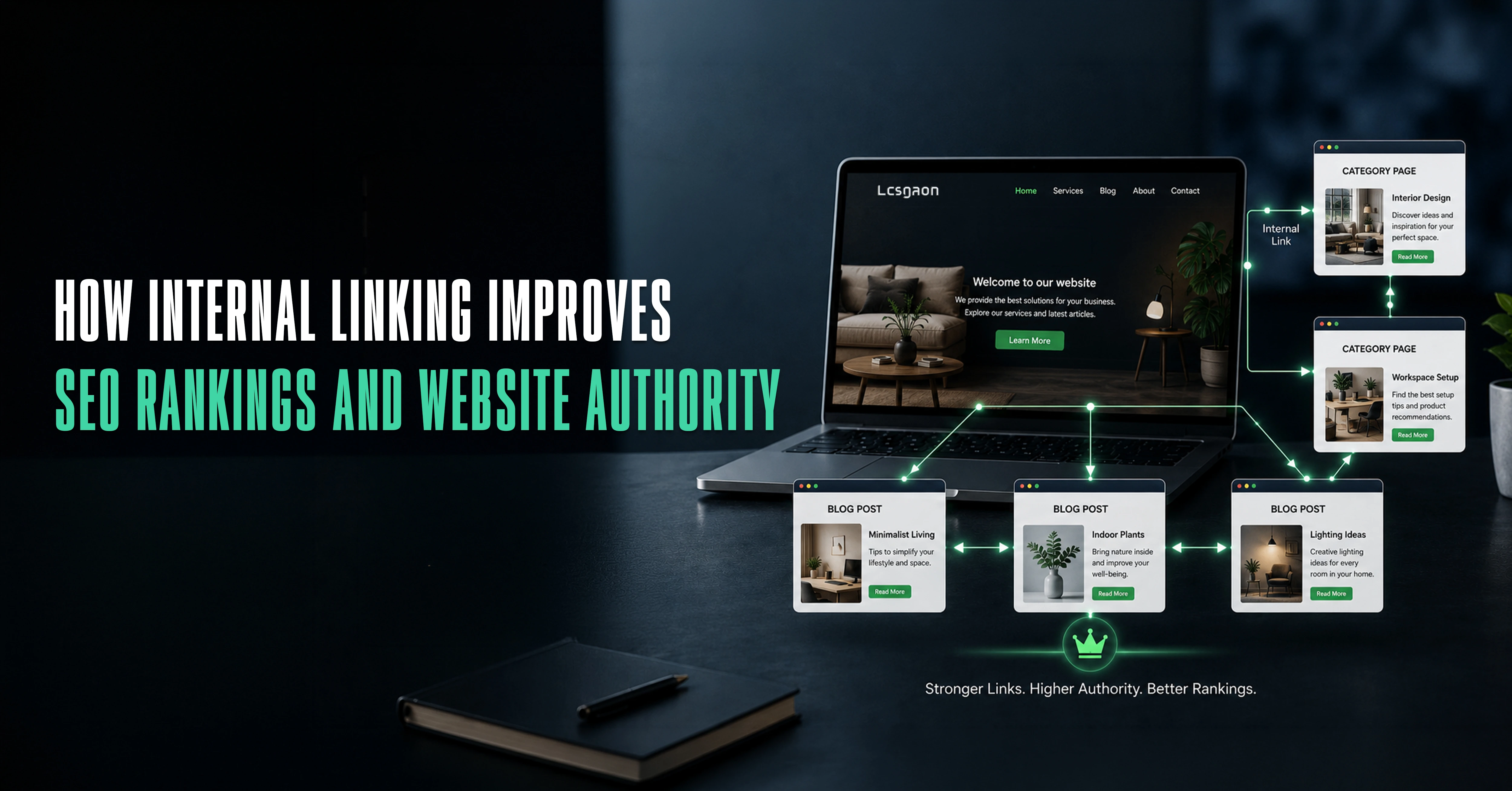
This is where internal linking becomes important.
Internal linking is not simply a technical SEO tactic.
It is a way of helping search engines understand your business, your expertise and the relationship between topics across your website.
The strongest websites rarely succeed because they have the most content.
They succeed because their content works together.
Why Internal Linking Matters More Than Most Businesses Realize
Every Website Is a Network
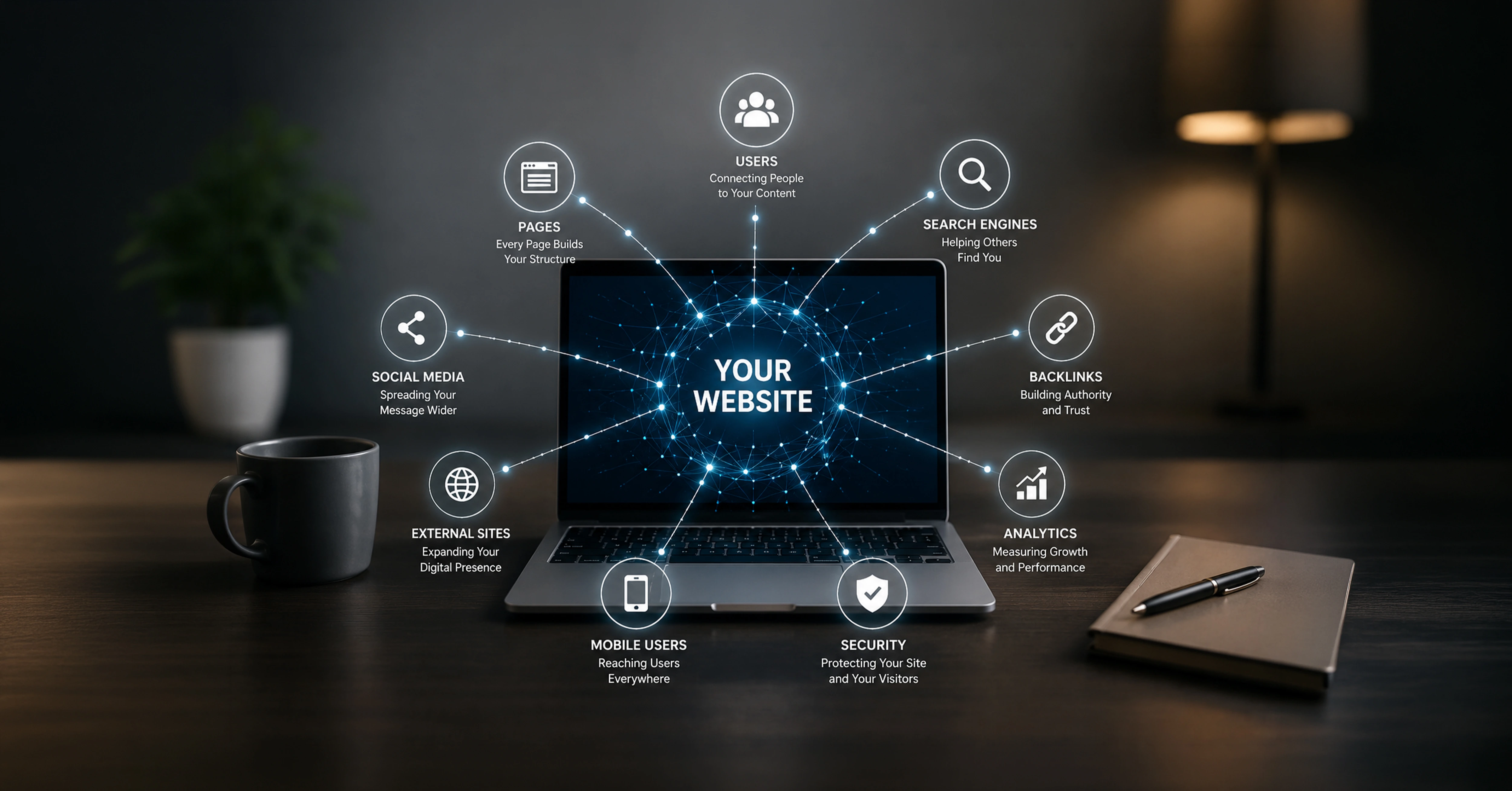
Most businesses think about pages individually.
Google thinks about websites collectively.
Search engines evaluate relationships.
Not just content.
Pages Should Support One Another
Every page on a website should contribute to a larger objective.
When pages connect strategically, authority begins flowing throughout the website.
Internal linking becomes even more effective when it supports a broader digital ecosystem, as modern brands build scalable digital presence by connecting isolated assets into an integrated system instead of treating each page as a separate entity.
SEO Is Not About Individual Pages
This is one of the biggest misconceptions in SEO.
Businesses often focus on ranking individual pages.
Google increasingly evaluates topical ecosystems.
Internal linking helps create those ecosystems.
What Internal Linking Actually Is
A Simple Definition
Internal links connect one page on a website to another page on the same website.
Examples include links between:
- blogs
- service pages
- location pages
- resource pages
Why Search Engines Care
Links help search engines understand relationships.
Without links, pages appear isolated.
With links, pages gain context.
Why Businesses Should Care
Internal linking helps:
- improve discoverability
- strengthen authority
- improve navigation
- support rankings
It benefits both users and search engines.
How Google Understands Websites
Search Engines Follow Paths
Google discovers and evaluates websites partly through links.
Links act like roads.
They help search engines move through content.
Connections Create Context
When multiple pages connect around a topic, Google gains a stronger understanding of expertise.
Topical Understanding Influences Rankings
The clearer the relationships between pages, the easier it becomes for search engines to evaluate relevance.
This is why effective SEO services in Chennai focus on more than keywords alone. A well-planned internal linking strategy helps search engines understand your website's structure, strengthens topical relevance, and supports sustainable organic growth.
Why Isolated Content Often Underperforms
Publishing Alone Is Not Enough
Many businesses publish articles and never reference them again.
The content exists.
But it lacks support.
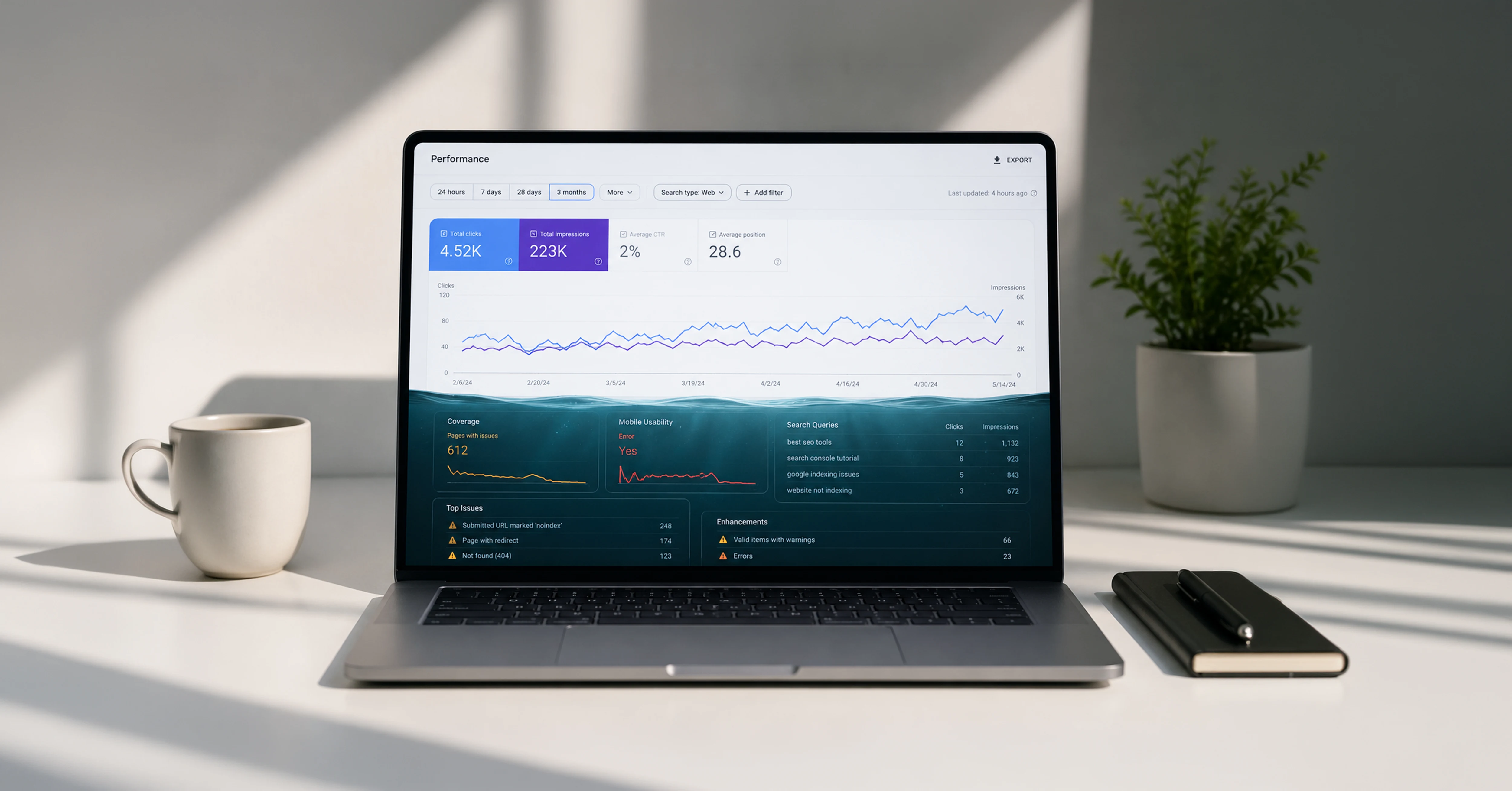
Orphan Pages Create Visibility Problems
Pages with few or no internal links often receive limited attention from search engines.
Their potential remains underutilized.
Authority Becomes Fragmented
Without internal connections, SEO value remains distributed rather than concentrated.
Internal Linking and Website Authority
Authority Flows Through Connections
Strong pages can help support weaker pages.
Internal linking enables authority to move throughout the website.
Some Pages Naturally Earn More Visibility
Examples include:
- homepage
- service pages
- pillar content
Strategic links help distribute that visibility.
Authority Works Best When Shared
The strongest websites create systems rather than isolated successes.
Internal Linking and SEO Rankings
Rankings Require Context
Search engines do not evaluate pages in isolation.
Context matters.
Relationships matter.
Topic Clusters Strengthen Visibility
Groups of related pages create stronger signals than individual pages operating independently.
Internal Links Reinforce Relevance
The more clearly pages support one another, the easier it becomes for search engines to understand expertise.
Internal Linking and Customer Experience
Visitors Rarely Stop at One Page
Customers often explore multiple pages before making decisions.
Internal links encourage deeper engagement.
Navigation Influences Trust
Helping visitors find relevant information creates better experiences.
Better experiences build confidence.
This is also closely connected to how a good website UX helps businesses generate leads, since a smooth navigation experience encourages users to stay longer, explore more pages, and ultimately take meaningful actions like enquiries or purchases.
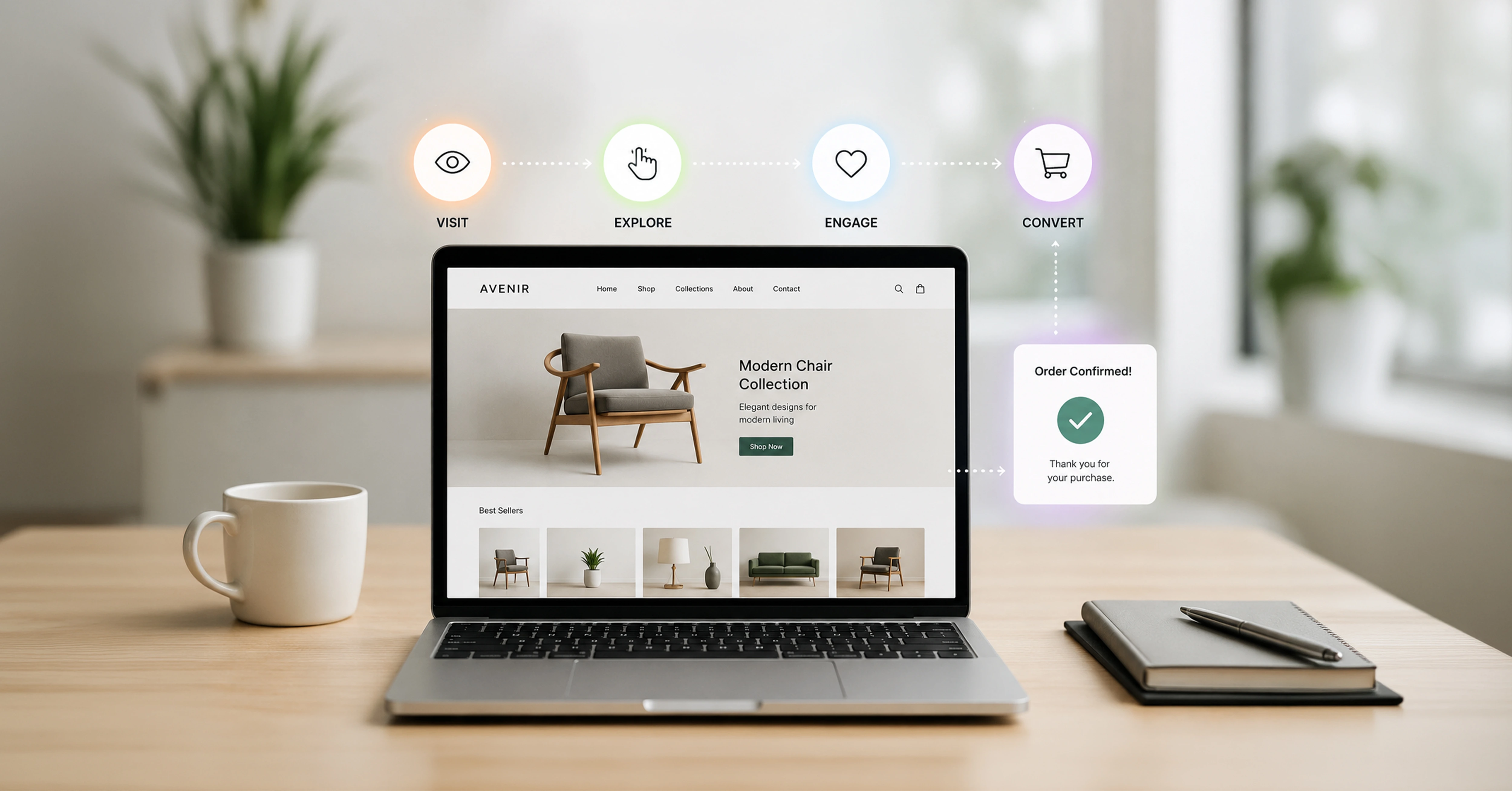
Better Experiences Support Conversion
Customers who explore more content often develop stronger trust.
Trust supports enquiries.
The SEO Implications Most Businesses Ignore
Content Becomes More Valuable
Every new page strengthens the website when it is connected strategically.
Discoverability Improves
Google can access content more efficiently.
Authority Compounds
This is where long-term SEO momentum develops.
Pages stop working individually.
They begin working together.
Why SEO Takes Time — What Actually Happens Behind the Scenes
Why Most Websites Underutilize Internal Linking
Content Teams Focus on Publishing
Most businesses concentrate on creating new content.
Few focus on connecting existing content.
SEO Often Becomes Reactive
Links are added occasionally rather than strategically.
Growth Opportunities Remain Hidden
Businesses frequently possess valuable content assets that are not fully supporting one another.
This limits growth potential.
Founder Insight From BRAND 360s
Most Businesses Think SEO Is About Creating More Content
One of the most common misconceptions we see at BRAND 360s is that businesses assume SEO growth comes from publishing more and more content.
Content matters.
But content alone rarely creates authority.
Connections create authority.
Many Websites Already Have Enough Content
Businesses often ask:
“What should we publish next?”
A better question is often:
“Are we fully utilizing what we have already published?”
In many cases, the opportunity is not creating more content.
It is connecting existing content more effectively.
In fact, many businesses wonder why their website is not ranking even after SEO work, when the real issue is often weak content connections, poor internal linking, and an unclear site structure rather than a lack of new content.
The Strongest Websites Behave Like Ecosystems
Google increasingly rewards websites that demonstrate depth and expertise.
That depth comes from interconnected knowledge.
Not isolated pages.
The websites that dominate search results rarely win because they have one great article.
They win because every article strengthens the next.
Chennai Business Example: The Dental Clinic
Valuable Content Was Being Overlooked
A Chennai dental clinic invested consistently in content creation.
Treatment pages existed.
Educational articles existed.
Location pages existed.
Yet growth remained slower than expected.
The Missing Piece Was Connectivity
The problem was not content quality.
The pages were operating independently.
Articles discussing dental implants were not supporting treatment pages.
Treatment pages were not supporting consultation pages.
Google struggled to understand the relationship between topics.
Better Linking Created Better Visibility
Once strategic internal linking was introduced, search visibility improved.
The content had always been valuable.
The website simply became easier to understand.
Chennai Business Example: The Interior Design Studio
Strong Projects, Weak SEO Momentum
A Chennai interior design studio had excellent project showcases and design-related content.
The challenge was that every page existed in isolation.
Topic Relationships Were Unclear
Articles about:
- apartment interiors
- modular kitchens
- luxury living rooms
- renovation planning
were rarely connected.
This limited topical authority.
Content Began Supporting Content
By strategically connecting related pages, the studio created stronger topic clusters.
Search engines gained a clearer understanding of expertise.
Visibility improved over time.
Contrarian Observation: More Content Is Not Always the Answer
Publishing Has Become the Default Strategy
Many businesses respond to SEO challenges by creating additional content.
Sometimes that is necessary.
Often it is not.
Existing Assets May Be Underperforming
A website may already possess:
- service pages
- location pages
- educational content
- case studies
The opportunity may lie in improving relationships rather than increasing volume.
Better Structure Often Beats More Volume
Ten well-connected pages can outperform fifty disconnected pages.
Because authority compounds through relationships.
Not through quantity alone.
The Topic Cluster Model
How Modern SEO Works
Google increasingly evaluates topics rather than individual keywords.
This changes how websites should be structured.
Pillar Pages Create Foundations
A pillar page introduces a broad topic.
Supporting pages then explore specific subtopics.
Internal Links Connect Expertise
The connections between pages create topical authority.
Authority strengthens rankings.
Internal links make this possible.
The Internal Linking Growth Framework
Discovery
Google discovers pages more efficiently.
Understanding
Search engines better understand relationships between topics.
Authority
Authority flows through the website.
Visibility
Visibility improves as topical relevance strengthens.
Growth
Growth occurs when stronger visibility generates qualified traffic and enquiries.
The Hybrid Content Model Used by High-Performing Websites
Pillar Pages
These pages target broad, high-value topics.
Examples include:
- SEO services
- website design
- branding
- digital marketing
Supporting Articles
Supporting content answers specific customer questions.
These pages expand expertise.
Strategic Internal Links
Links connect supporting content back to core service pages.
This creates stronger authority signals.
Conversion Pages
The final destination remains business-focused.
Traffic should ultimately support growth objectives.
Decision Framework: Does Your Website Need Better Internal Linking?
Are Important Pages Struggling to Rank?
Strong content with weak rankings often indicates structural limitations.
Are Visitors Exploring Multiple Pages?
If engagement remains shallow, internal navigation may need improvement.
Is Content Operating Independently?
Pages should support one another.
If they do not, opportunities may be lost.
Is Authority Being Distributed Strategically?
The strongest pages should help strengthen the rest of the website.
Final Thoughts: Internal Linking Is Really About Building Authority
Many businesses think internal linking is a technical SEO task.
The most successful businesses understand something different.
Internal linking is an authority-building strategy.
It helps search engines understand:
- expertise
- relevance
- relationships
- hierarchy
More importantly, it helps visitors discover information that increases trust.
This is why businesses searching for an SEO Company in Chennai, an SEO Agency in Chennai, or professional SEO Services in Chennai should pay close attention to website structure.
Because rankings are not created by content alone.
They are created by systems.
And internal linking is one of the most important systems a website can have.
Ready to Build a Website That Compounds Authority Over Time?
The best websites are not the ones with the most content.
They are the ones where every piece of content strengthens the next.
Every article.
Every service page.
Every case study.
Every location page.
Together they create something larger than individual rankings.
They create authority.
A strong internal linking strategy is even more effective when it's supported by a well-structured website. As a website development company in Chennai, we build websites with scalable architecture that improves navigation, supports SEO, and drives long-term business growth.
Because the goal is not simply to publish more.
The goal is to create a website that becomes stronger every month.
