

One of the most common conversations in business starts with a simple request.
"We need a logo."
On the surface, that sounds reasonable.
A logo is visible.
A logo appears on websites, business cards, social media profiles and marketing materials.
It feels like the logical starting point.
The problem is that many businesses believe a logo and a brand identity are the same thing.
They are not.
In fact, confusing the two is one of the biggest reasons businesses struggle to build recognition, differentiation and trust.
At BRAND 360s, we often meet business owners who have invested in logo design multiple times over the years.
Yet customers still struggle to remember them.
The issue is rarely the logo itself.
The issue is that a logo cannot perform the job of an entire brand identity.
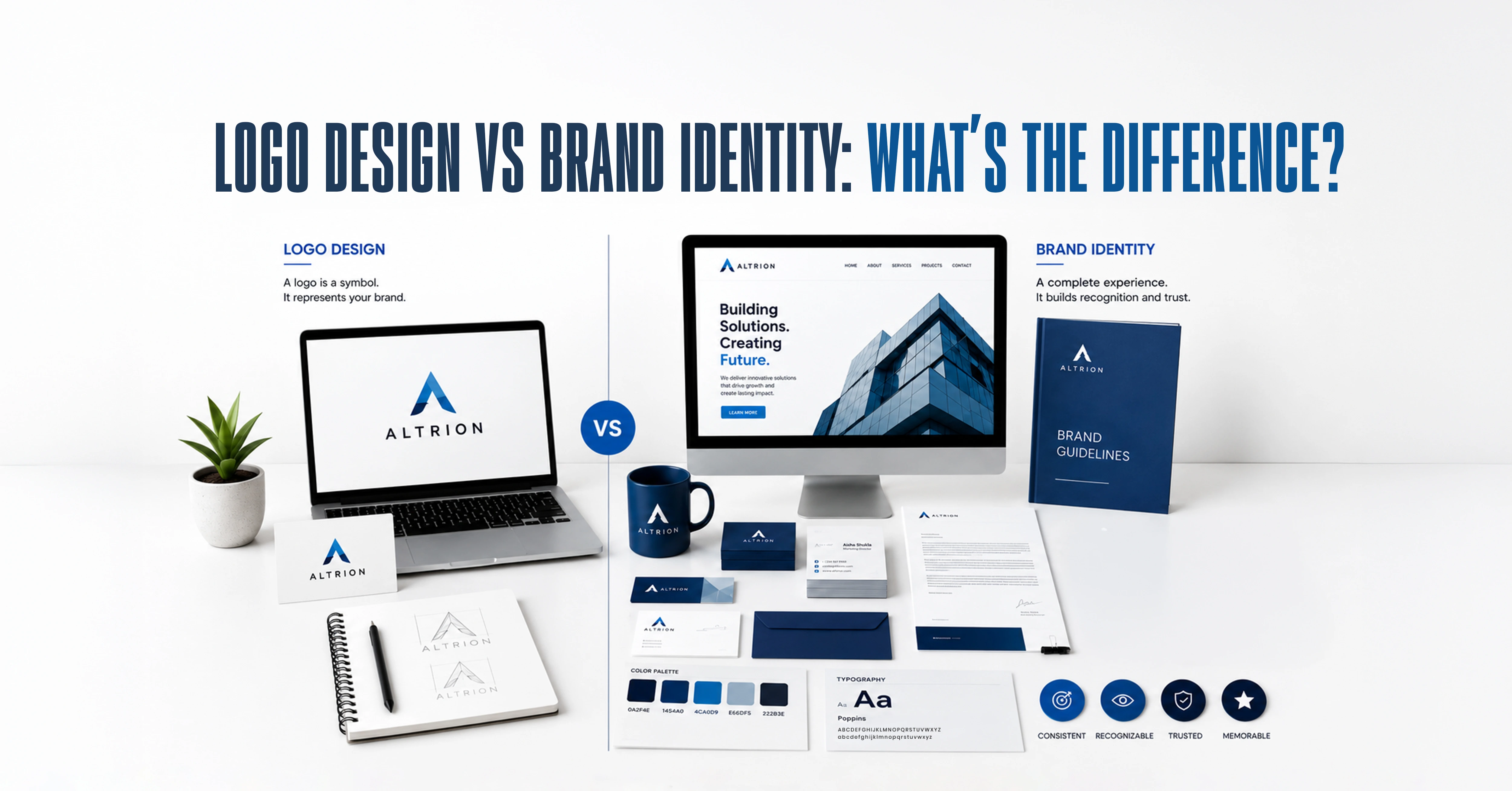
A logo is a symbol.
A brand identity is a system.
A logo helps customers recognize you. A brand identity helps customers remember, trust and choose you, which is exactly what dedicated branding services in Chennai are built around.
Understanding that distinction can completely change how a business approaches growth.
Why This Confusion Exists
Logos Are the Most Visible Part of a Brand
Most customers see logos everywhere.
Because logos are highly visible, many people assume they represent the entire brand.
That assumption is understandable. But incomplete.
Businesses Often Start With Design
Many branding projects begin with questions such as:
- What colour should we use?
- What font should we choose?
- What should the logo look like?
Very few begin with:
- What do we stand for?
- Who are we serving?
- Why should customers trust us?
That is where the confusion begins.
The Industry Has Simplified Branding
For years, branding has often been marketed as logo creation.
The result is that many business owners underestimate what branding actually involves.
What a Logo Actually Does
A Logo Creates Recognition
The primary purpose of a logo is identification.
It helps customers recognize a business.
Nothing more. Nothing less.
A Logo Is a Visual Shortcut
Customers use logos as mental shortcuts.
When they see a logo repeatedly, they begin associating it with previous experiences.
A Logo Cannot Build a Brand Alone
A beautiful logo cannot compensate for:
- weak positioning
- poor messaging
- inconsistent customer experiences
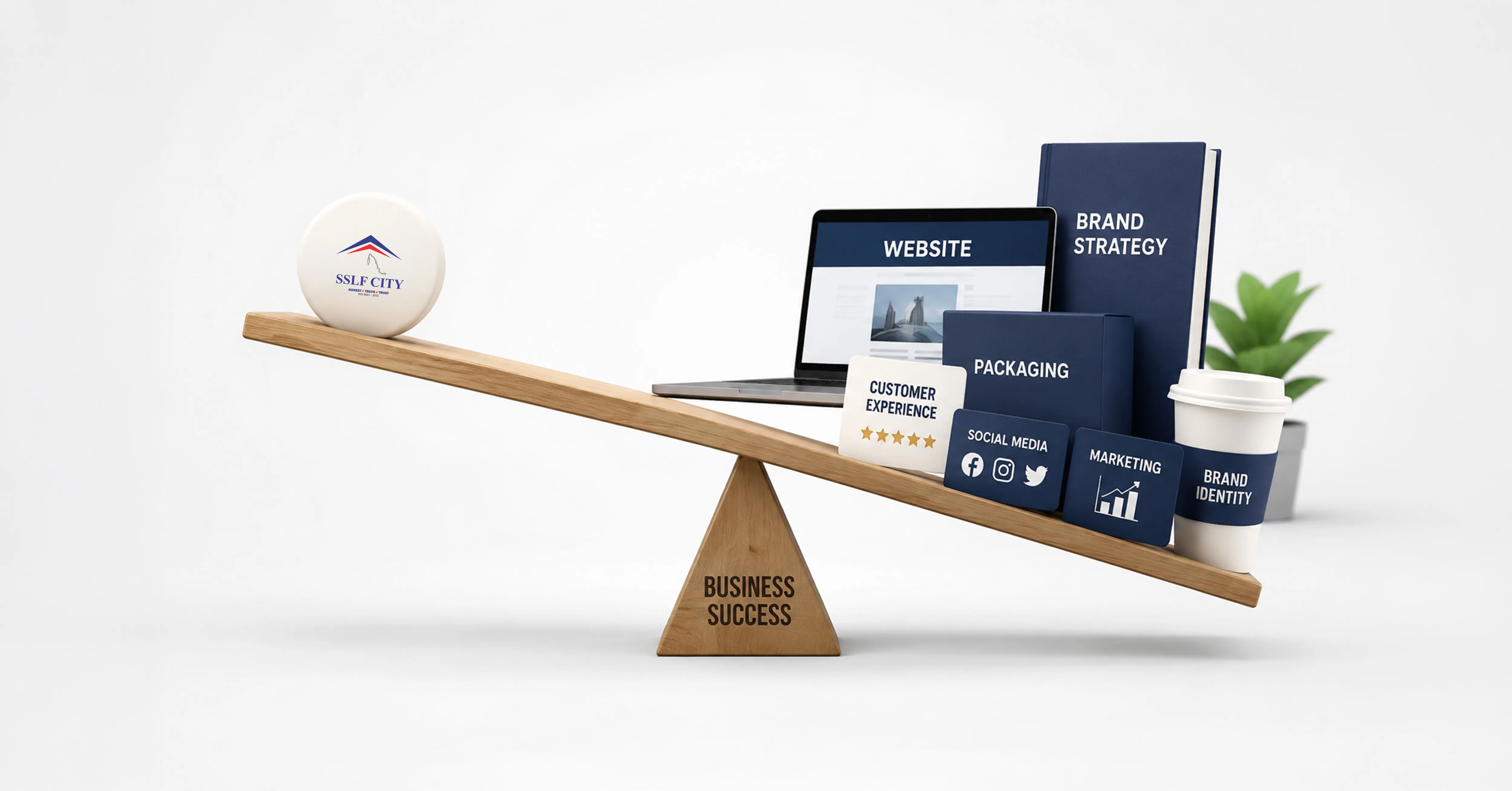
The logo is one piece of a larger puzzle, which is proof that branding is more than just a logo.
What Brand Identity Actually Means
Brand Identity Is the Expression of a Brand
A brand identity translates strategy into visible and tangible elements.
It helps businesses communicate consistently.
Brand Identity Includes Multiple Components
These often include:
- logo design
- typography
- colour systems
- imagery
- visual language
- tone of voice
- messaging principles
The logo has only one component.
Identity Creates Consistency
Customers trust businesses that feel consistent. Brand identity helps create that consistency and when it's missing, inconsistent branding can quietly erode customer trust over time.
The Difference Between Recognition and Perception
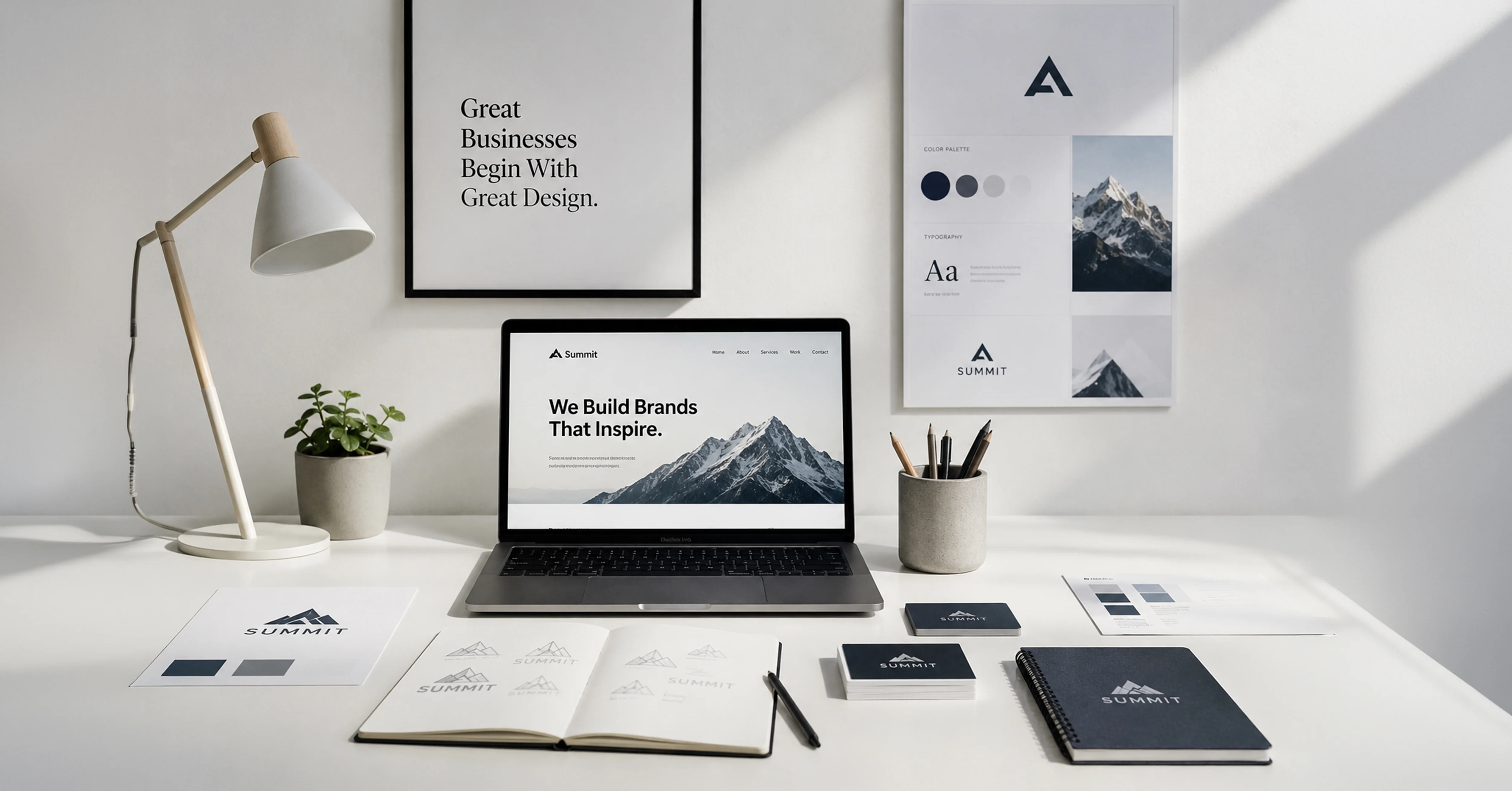
Logos Create Recognition
Recognition answers one question:
“Do I know this business?”
Brand Identity Shapes Perception
Perception answers a different question:
“What do I think about this business?”
Perception Influences Decisions
Customers often choose businesses based on perception before they evaluate products or services.
Customer Psychology and Brand Identity
Customers Seek Familiarity
People naturally prefer businesses that feel familiar.
Brand identity helps create familiarity.
Consistency Reduces Risk
Every purchase involves uncertainty.
Consistency reduces that uncertainty.
Trust Is Built Through Repetition
Customers rarely trust businesses after a single interaction.
Trust develops through repeated experiences.
Brand identity supports those experiences.
Why Businesses Need More Than a Logo
Marketing Requires Consistency
Businesses appear across multiple platforms.
Without a brand identity, consistency becomes difficult, a gap that often traces back to businesses confusing branding vs marketing in the first place.
Growth Increases Complexity
As businesses grow, more people begin creating content and communication.
Brand identity creates alignment.
Strong Brands Scale More Easily
Consistency becomes a competitive advantage as businesses expand.
The SEO Implications Most Businesses Ignore
Brands Influence Search Behaviour
People increasingly search for brands directly.
Branded searches are valuable trust signals.
Recognition Supports Clicks
Users are more likely to click on businesses they recognize.
Trust Supports Visibility
Google increasingly rewards businesses that demonstrate credibility and authority. Brand strength contributes to those signals.
Logo Design vs Brand Identity Comparison
Logo Design Focuses on Recognition
The objective is identification.
Brand Identity Focuses on Consistency
The objective is coherent communication.
Logo Design Is a Deliverable
A logo is something a business receives.
Brand Identity Is a System
A brand identity influences every customer interaction.
One Is an Asset. The Other Is an Ecosystem.
This is perhaps the simplest way to understand the difference.
Why Generic Logos Often Fail
Similarity Creates Confusion
Many industries suffer from visual sameness.
Customers struggle to differentiate businesses.
Design Without Strategy Produces Weak Results
A logo created without strategic thinking often lacks meaning.
Distinctiveness Matters
Businesses that are remembered gain advantages.
The Cost of Treating Branding as Logo Design
Recognition Becomes Inconsistent
Different materials begin communicating different messages.
Trust Takes Longer to Build
Customers struggle to form clear perceptions.
Marketing Efficiency Declines
Every campaign must work harder when the brand lacks clarity.
Founder Insight From BRAND 360s
The Logo Conversation Usually Happens Too Early
One of the most common things we see is businesses discussing logos before discussing strategy.
That sequence often creates problems.
The strongest identities are built on strategic foundations. Not aesthetic preferences.
Great Logos Usually Come From Great Strategy
The best logos are rarely created in isolation.
They emerge from understanding:
- positioning
- audience
- purpose
- differentiation
Identity Should Support Business Goals
Brand identity should not simply look good. It should help the business grow.
Chennai Business Example: The Interior Design Studio
The Business Had a Good Logo
A Chennai interior design studio had invested in professional logo design, a reminder that logo design cost is only the starting point, not the finish line, of building a full identity.
The logo looked modern. The colours looked professional.
The problem was that customers still struggled to remember the business.
The Identity Was Missing
The website looked different from the social media pages.
The presentations looked different from the website.
The messaging changed from one platform to another.
The logo existed.
The identity did not.
Consistency Changed Perception
Once the business developed a complete brand identity, everything began working together.
The result was not simply a better appearance.
The result was a stronger perception.
Chennai Business Example: The Financial Consultancy
Expertise Was Not the Problem
The consultancy had years of experience.
Clients trusted the advice.
The challenge was attracting new business.
The Brand Looked Generic
Nothing in the visual identity communicated authority.
Nothing differentiated the company from competitors.
Potential customers viewed the business as one among many options.
Identity Improved Confidence
Once positioning, messaging and identity became aligned, enquiries improved.
The service remained the same.
Customer perception changed.
Contrarian Observation: The Best Logos Are Not Always the Most Beautiful
Businesses Often Prioritize Personal Preference
One of the biggest branding mistakes is evaluating logos based on personal taste.
The question should not be:
“Do I like it?”
The question should be:
“Does it support the brand?”
Strategy Matters More Than Style
A strategically aligned logo often outperforms a visually impressive logo that lacks meaning.
The Goal Is Recognition
The purpose of branding is not winning design awards. The purpose is helping customers remember and trust the business.
The Brand Identity Growth Framework
Clarity
Customers understand who you are.
Consistency
Every touchpoint reinforces the same message.
Recognition
Customers remember the business.
Trust
Repeated experiences build confidence.
Preference
Customers choose the business over alternatives.
Loyalty
Satisfied customers return and refer others. Strong brand identities support every stage.
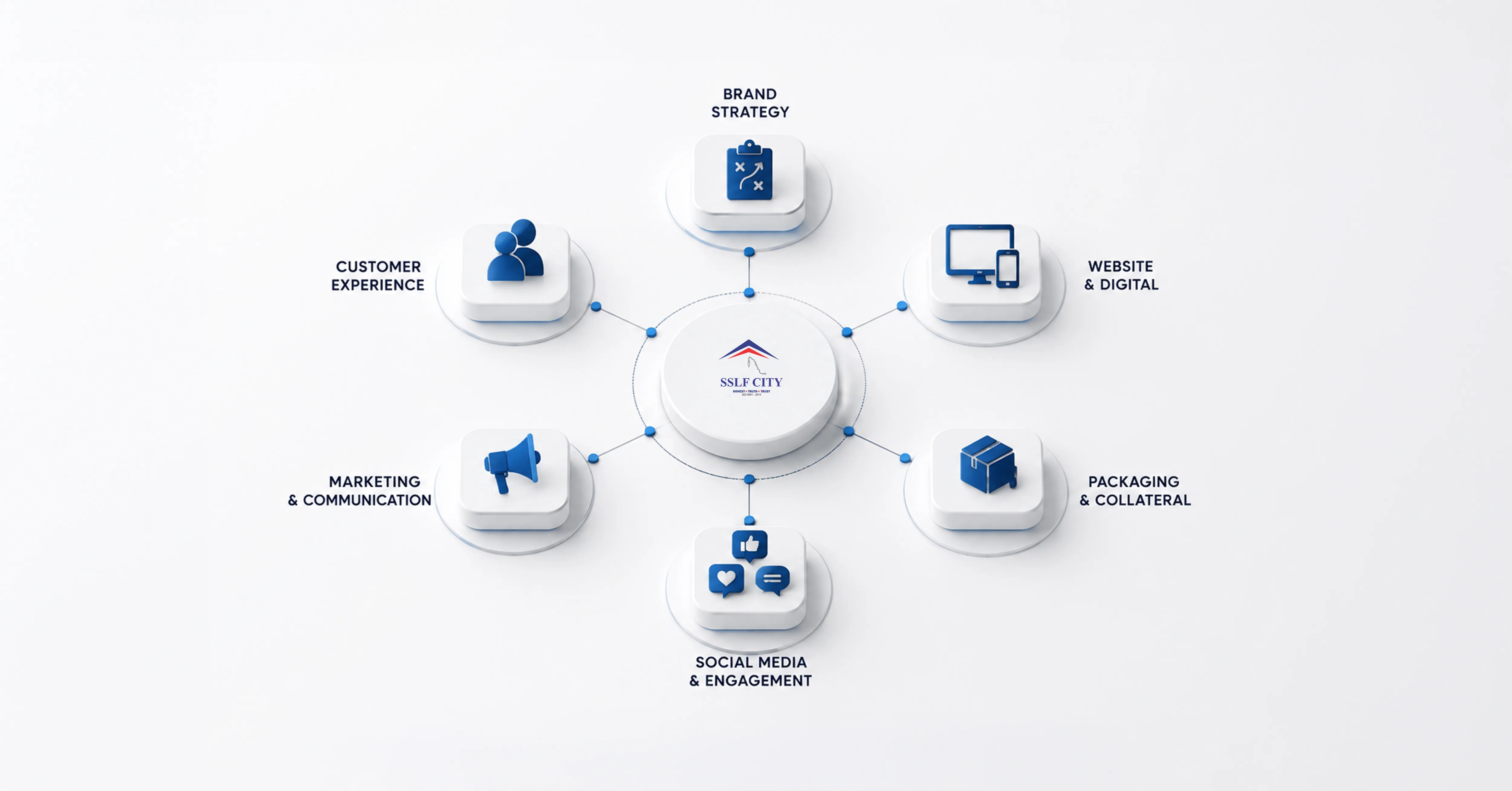
The Hybrid Model: Strategy + Identity + Experience + Marketing
Strategy Creates Direction
Strong brands begin with strategic clarity.
Identity Creates Recognition
Visual systems help customers remember the business.
Experience Creates Trust
Customer interactions reinforce brand promises.
Marketing Creates Visibility
Marketing helps people discover the business and that's where a digital marketing agency in Chennai extends that visibility further, beyond identity alone.
Together They Create Brand Equity
The strongest brands combine all four.
Why Strong Brand Identity Improves Marketing Results
Recognition Increases Response Rates
People engage more readily with businesses they recognize.
Consistency Improves Recall
The more consistent the identity, the easier the business is to remember.
Trust Improves Conversion
People buy from businesses they trust. Brand identity supports trust.
Why Brand Identity Creates Long-Term Business Value
Campaigns End. Brands Remain.
Advertising campaigns have finite lifespans.
Brand equity compounds over time.
Strong Brands Become Assets
Businesses often underestimate how valuable brand perception can become.
Trust Compounds
Every positive interaction strengthens the brand. That value accumulates.
Decision Framework: Do You Need a Logo or a Brand Identity?
Do You Need Recognition?
A logo may be enough if visibility is the only objective.
Do You Need Consistency?
A brand identity becomes essential when communication expands across channels.
Do You Need Differentiation?
Identity helps customers understand why your business is different.
Do You Need Growth?
Growing businesses usually require more than a logo. They require a system.
Final Thoughts: The Logo Is the Signature. The Brand Identity Is the Personality.
A useful way to understand the difference is this:
A logo is a signature.
A brand identity is a personality.
Customers may recognize a signature.
They build relationships with personalities.
This is why businesses searching for a Branding Agency in Chennai, Brand Identity Design Services in Chennai, Brand Strategy Consultants, or a Logo Design Company in Chennai should think beyond the logo itself.
Because recognition alone rarely creates growth.
Trust creates growth.
Consistency creates growth.
Differentiation creates growth.
And those outcomes come from brand identity. Not simply logo design.
Ready to Build More Than Just a Logo?
Many businesses invest in logos.
Far fewer invest in the systems that make those logos meaningful.
The businesses customers remember are rarely defined by symbols alone.
They are defined by the experiences, perceptions and trust those symbols represent.
At BRAND 360s, our Branding Services in Chennai help businesses develop complete brand identities designed around clarity, consistency and growth.
From positioning and messaging to visual identity and brand systems, every element is built to support long-term business success.
Because the goal is not simply to create a logo.
The goal is to create a brand customers recognize, remember and choose.
